St Mary's CE Primary School,
Kendal Road,Kirkby Lonsdale,
Cumbria LA6 2DN
Art and Design
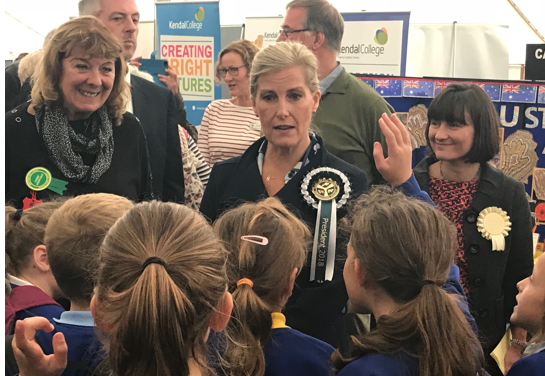
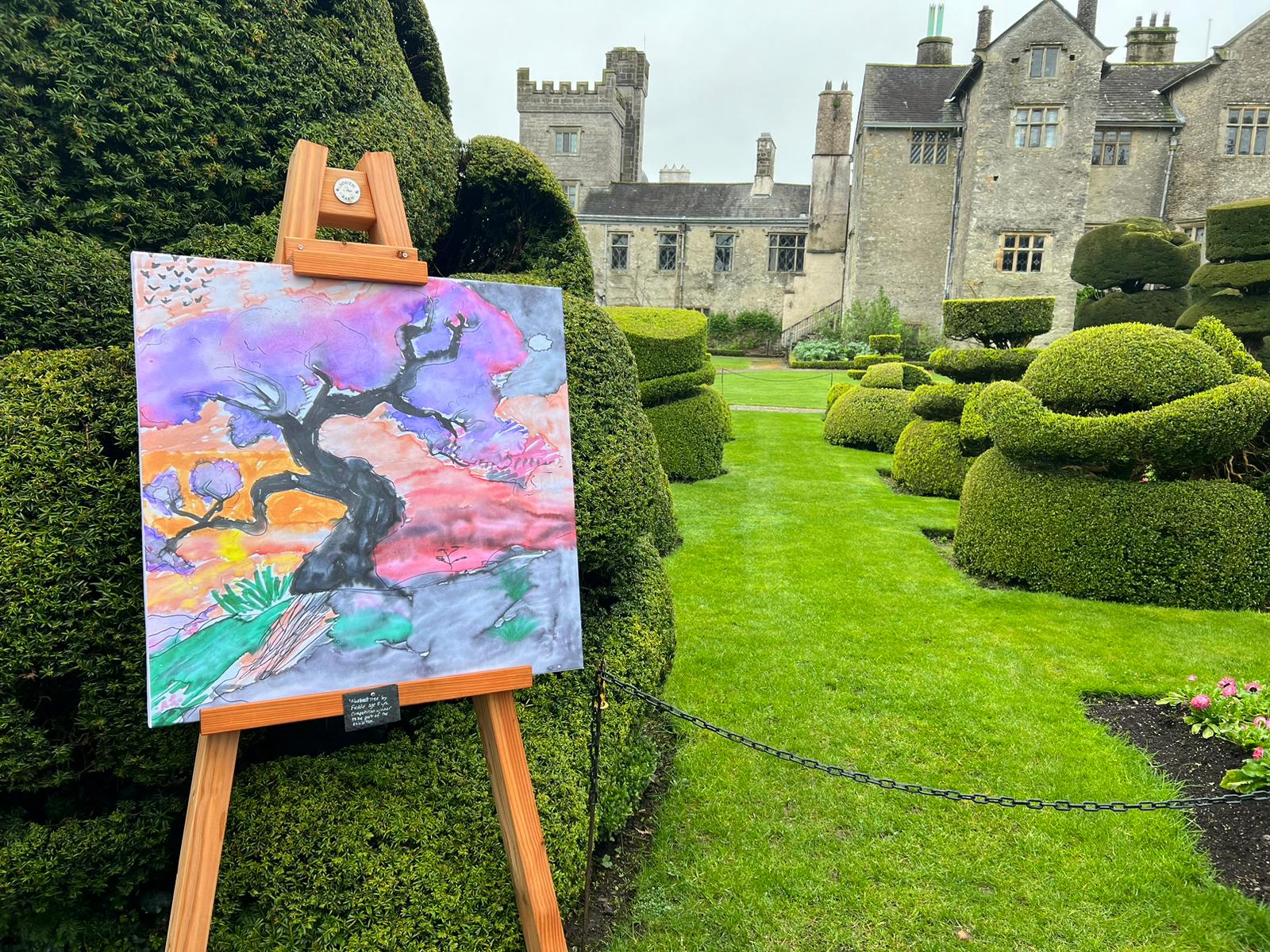
HRH Countess of Wessex visits our art display at the Westmorland Show
In art we encourage children to develop their artistic and creative abilities within the whole of the creative curriculum and cross curricular areas. We ensure the children experience a wide range of opportunities to develop a breadth of art techniques and skills. They are also encouraged to plan and to manipulate a range of materials so that they can develop skill and originality. Children are encouraged to evaluate and appreciate their own work and the work of others in order to develop their appreciation of the arts. We are committed to the wider development of young people and encourage collaborations with professional artists and art organisations.
National Curriculum
Purpose of study
Aims
The National Curriculum for art and design aims to ensure that all pupils:
Art, craft and design embody some of the highest forms of human creativity. A high-quality art and design education should engage, inspire and challenge pupils, equipping them with the knowledge and skills to experiment, invent and create their own works of art, craft and design. As pupils progress, they should be able to think critically and develop a more rigorous understanding of art and design. They should also know how art and design both reflect and shape our history, and contribute to the culture, creativity and wealth of our nation.
produce creative work, exploring their ideas and recording their experiences
become proficient in drawing, painting, sculpture and other art, craft and design techniques
evaluate and analyse creative works using the language of art, craft and design
know about great artists, craft makers and designers, and understand the historical and cultural development of their art forms.
Attainment Targets
By the end of each key stage, pupils are expected to know, apply and understand the matters, skills and processes specified in the relevant programme of study.
Key stage 1 Pupils should be taught:
to use a range of materials creatively to design and make products
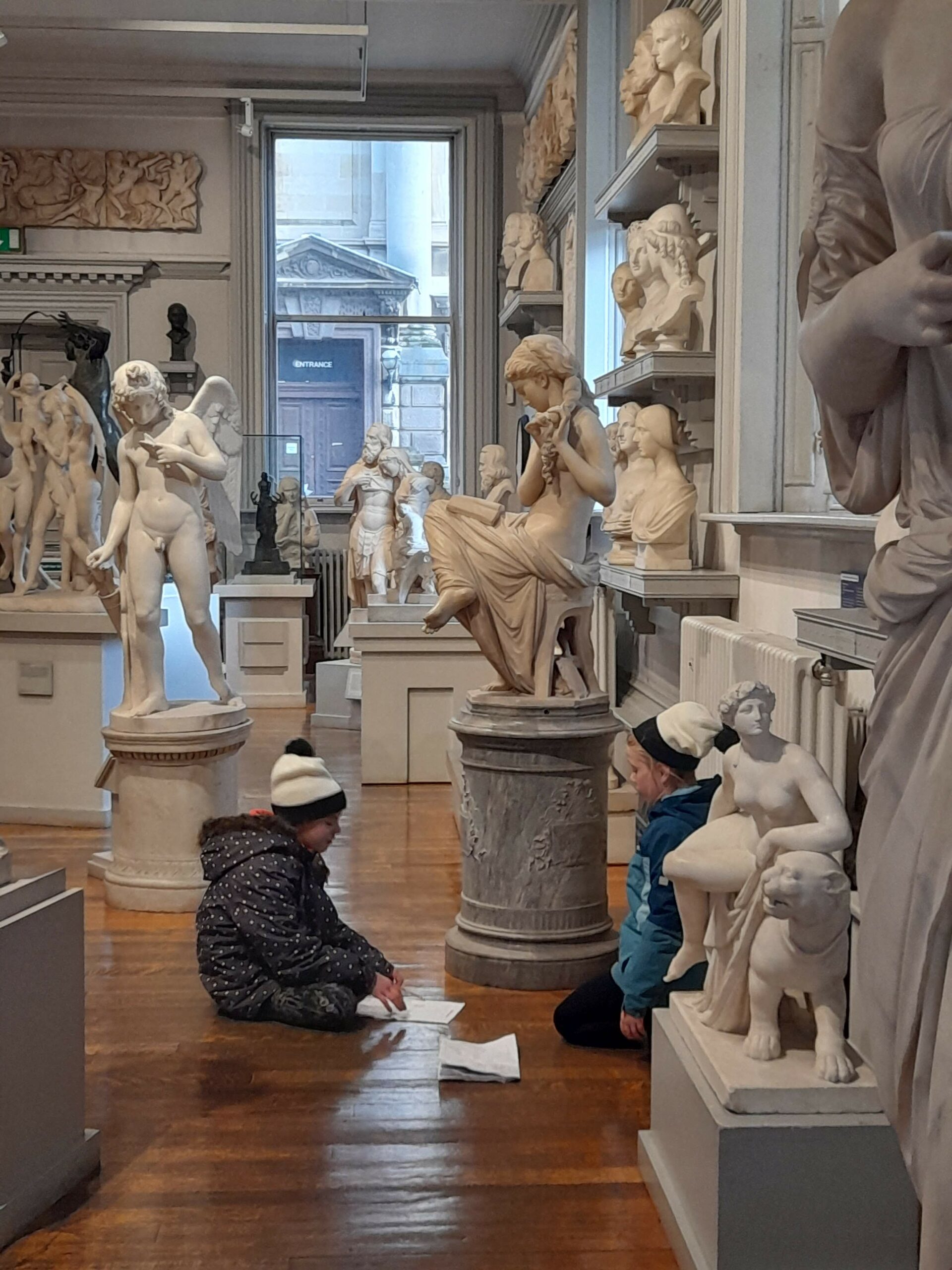
to use drawing, painting and sculpture to develop and share their ideas, experiences and imagination
to develop a wide range of art and design techniques in using colour, pattern, texture, line, shape, form and space
about the work of a range of artists, craft makers and designers, describing the differences and similarities between different practices and disciplines, and making links to their own work.
Key stage 2 Pupils should be taught to develop their techniques, including their control and their use of materials, with creativity, experimentation and an increasing awareness of different kinds of art, craft and design.
Pupils should be taught:
to create sketch books to record their observations and use them to review and revisit ideas
to improve their mastery of art and design techniques, including drawing, painting and sculpture with a range of materials (e.g. pencil, charcoal, paint, clay)
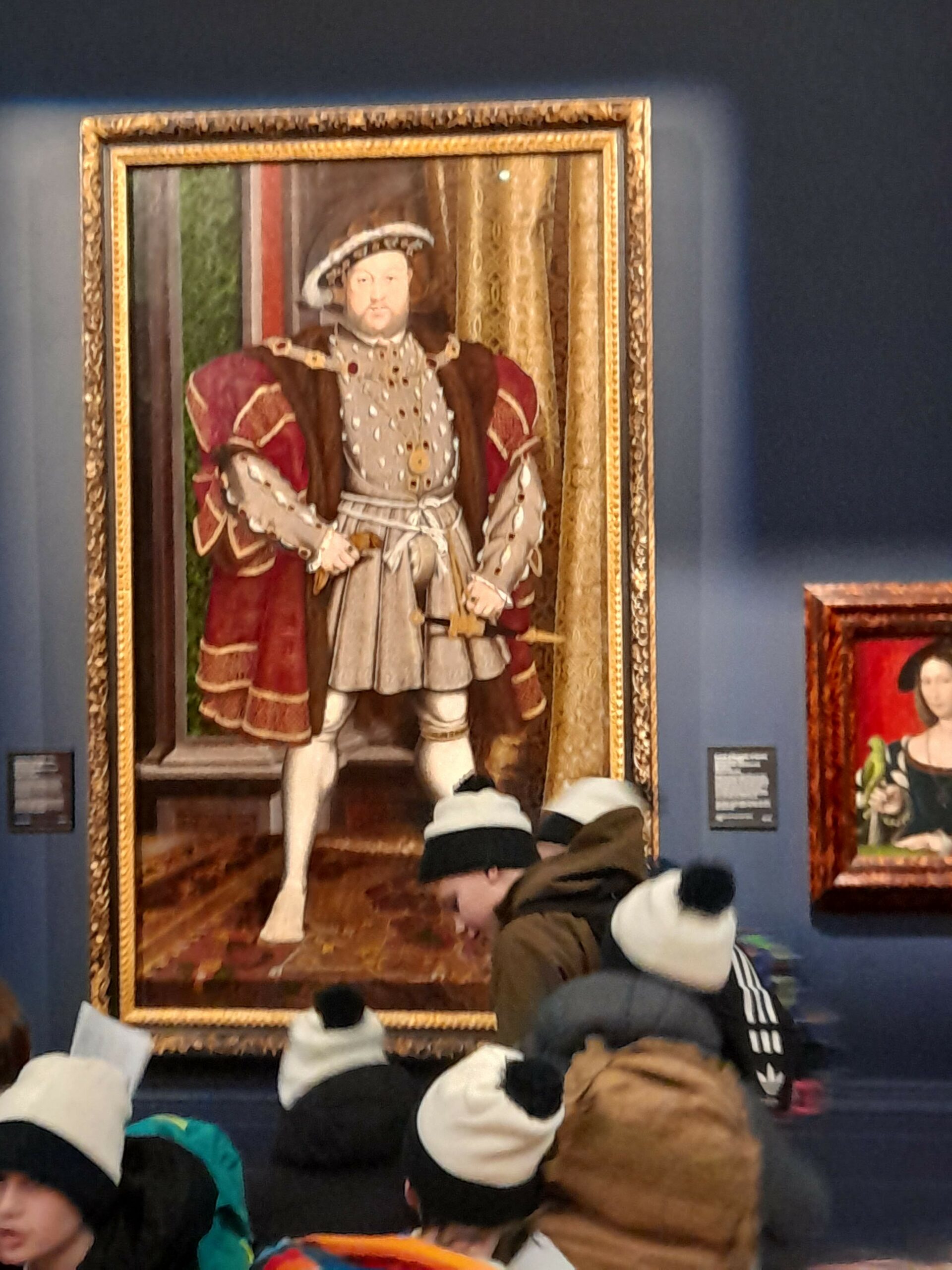
about great artists, architects and designers in history.
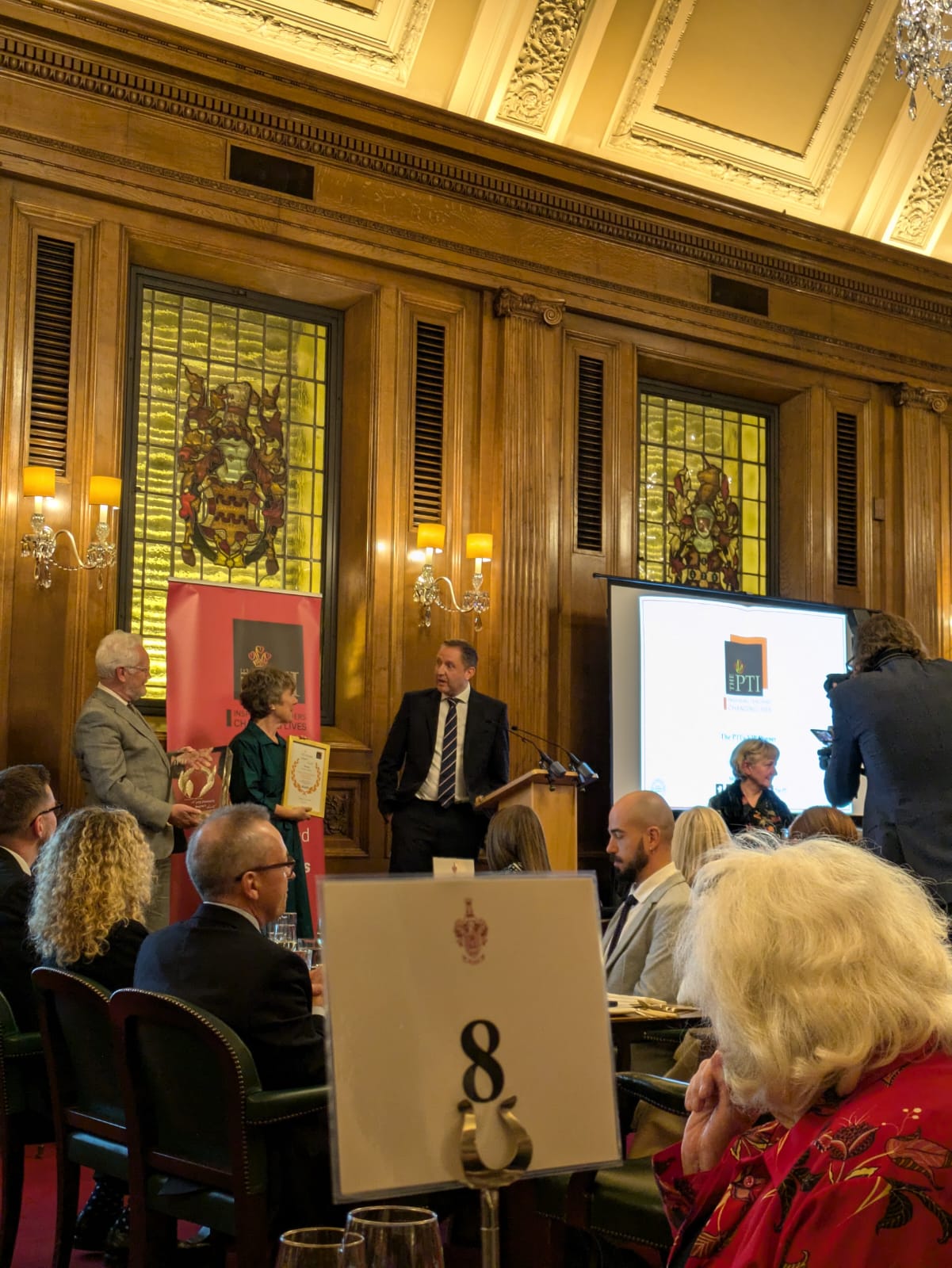
We are very proud of winning the Professional Teachers Institute (PTI) Primary Impact Award for our Art Curriculum. Winning this prestigious national award highlights the huge impact our art curriculum has on our wider community. We offer broader opportunities not just for our pupils but within and without of the school community.
Artist in Residence – Bob Sutcliffe OBE
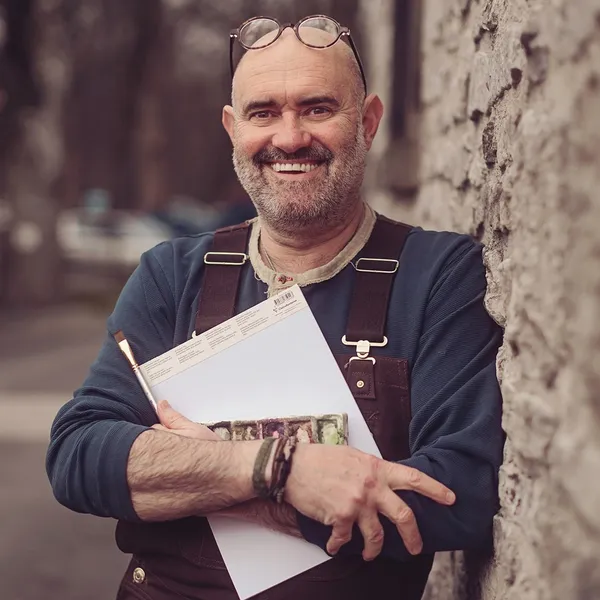
All of our teachers teach art following our Curriculum. In addition, we have an artist in residence Bob Sutcliffe OBE, who models art pedagogy and inspires our children. Bob Sutcliffe provides art support as therapy for some of our children in addition to teaching within the curriculum to support mental health and well being. Our children have had various opportunities to publish and exhibit their art in the community and through ‘Tree Therapy’, Bob’s recent publication.
Painting
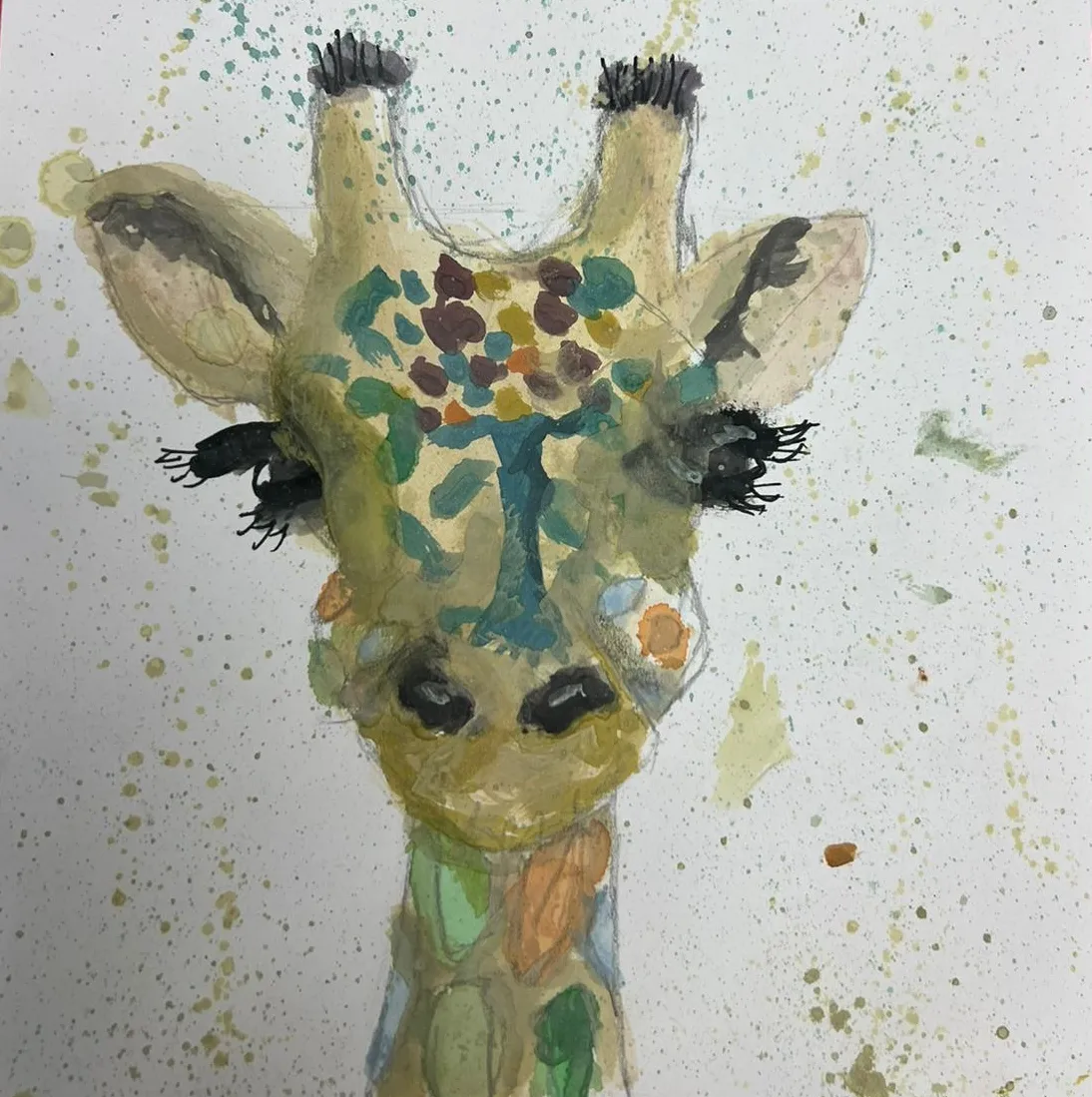
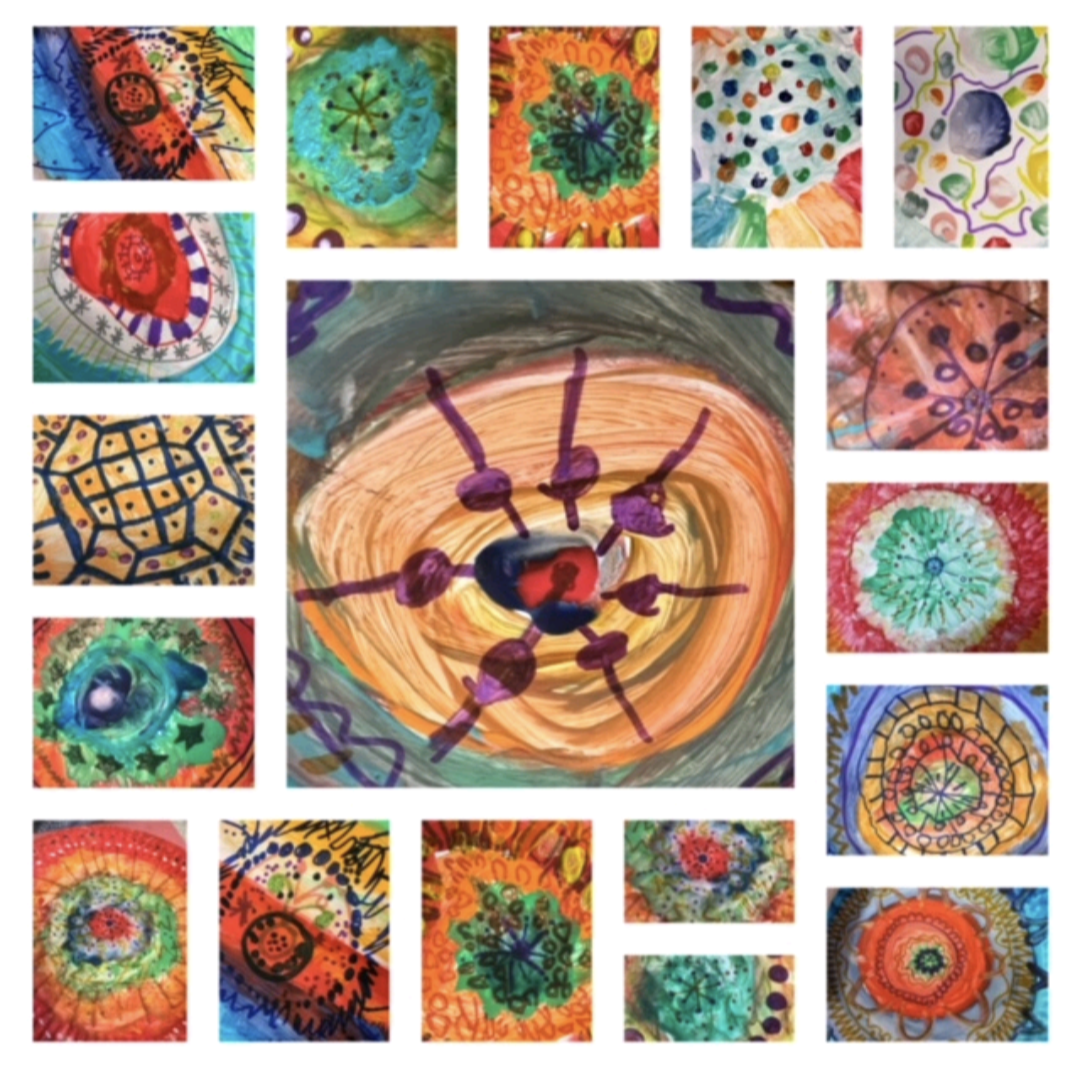
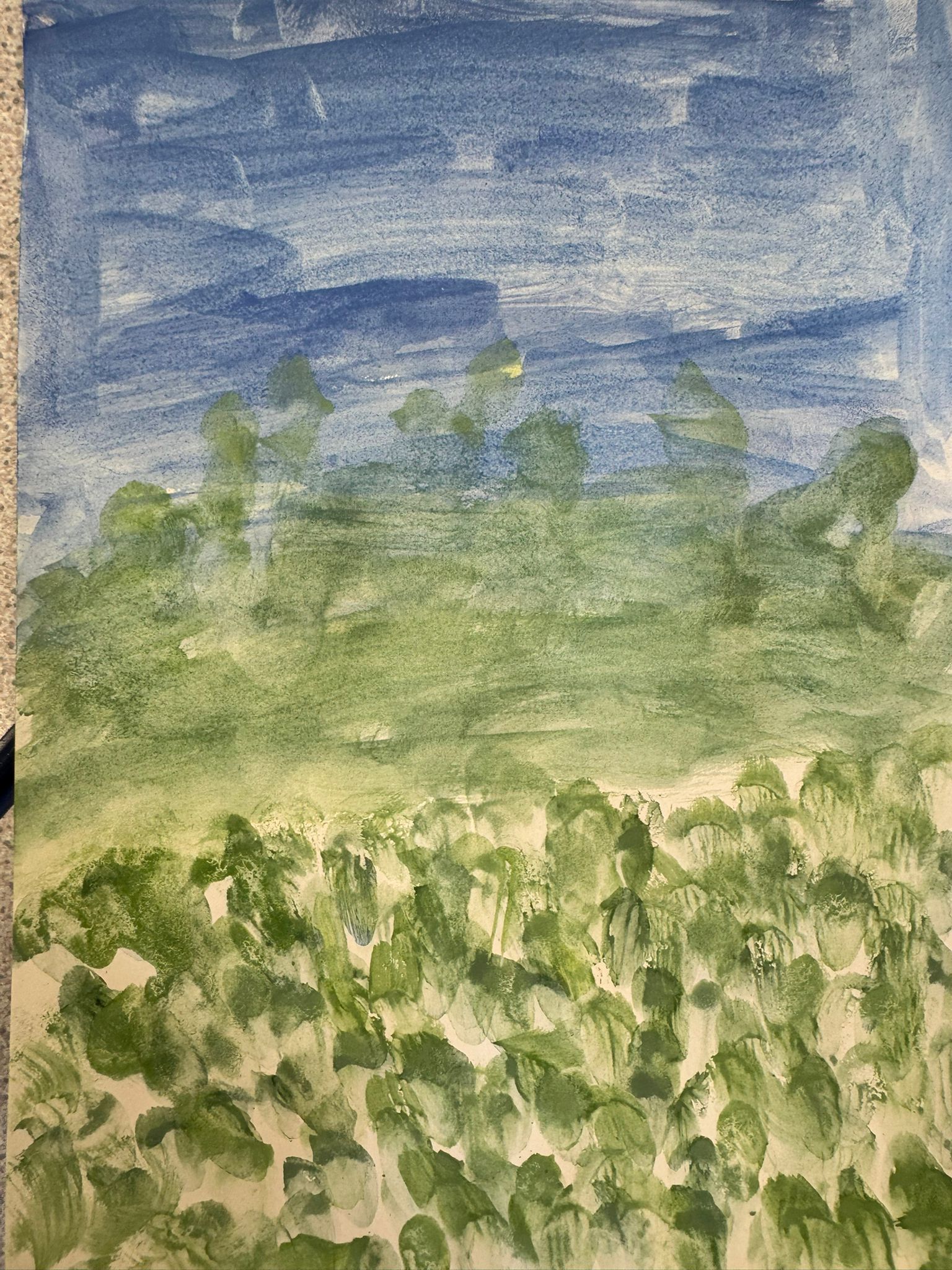
In our lessons, painting is a vibrant journey of discovery that begins with the pure joy of EYFS students exploring how primary colours dance together to create something new. As our pupils progress toward Year 6, they move from using thick, expressive poster paints to mastering the delicate transparencies of watercolours and the rich textures of acrylics. We place a strong emphasis on colour theory, teaching children how to mix their own unique palettes and understand how “cool” and “warm” tones can change the entire mood of a piece. Whether they are recreating a classic landscape or expressing an abstract emotion, painting gives our students the tools to saturate their ideas with life. As the legendary Henri Matisse once said:
“Colour helps to express light, not the physical phenomenon, but the only light that really exists, that in the artist’s brain.”
3D Modelling
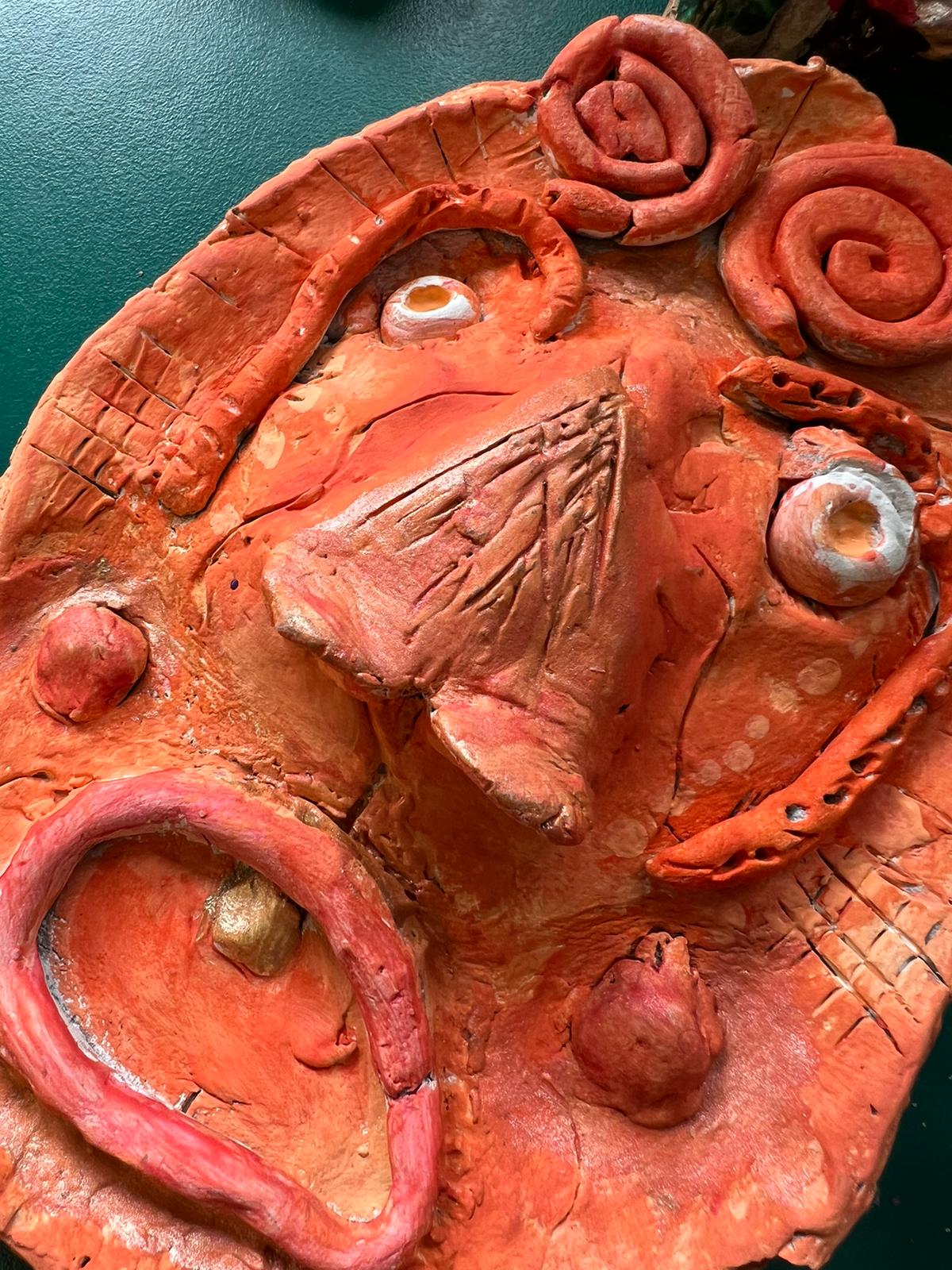
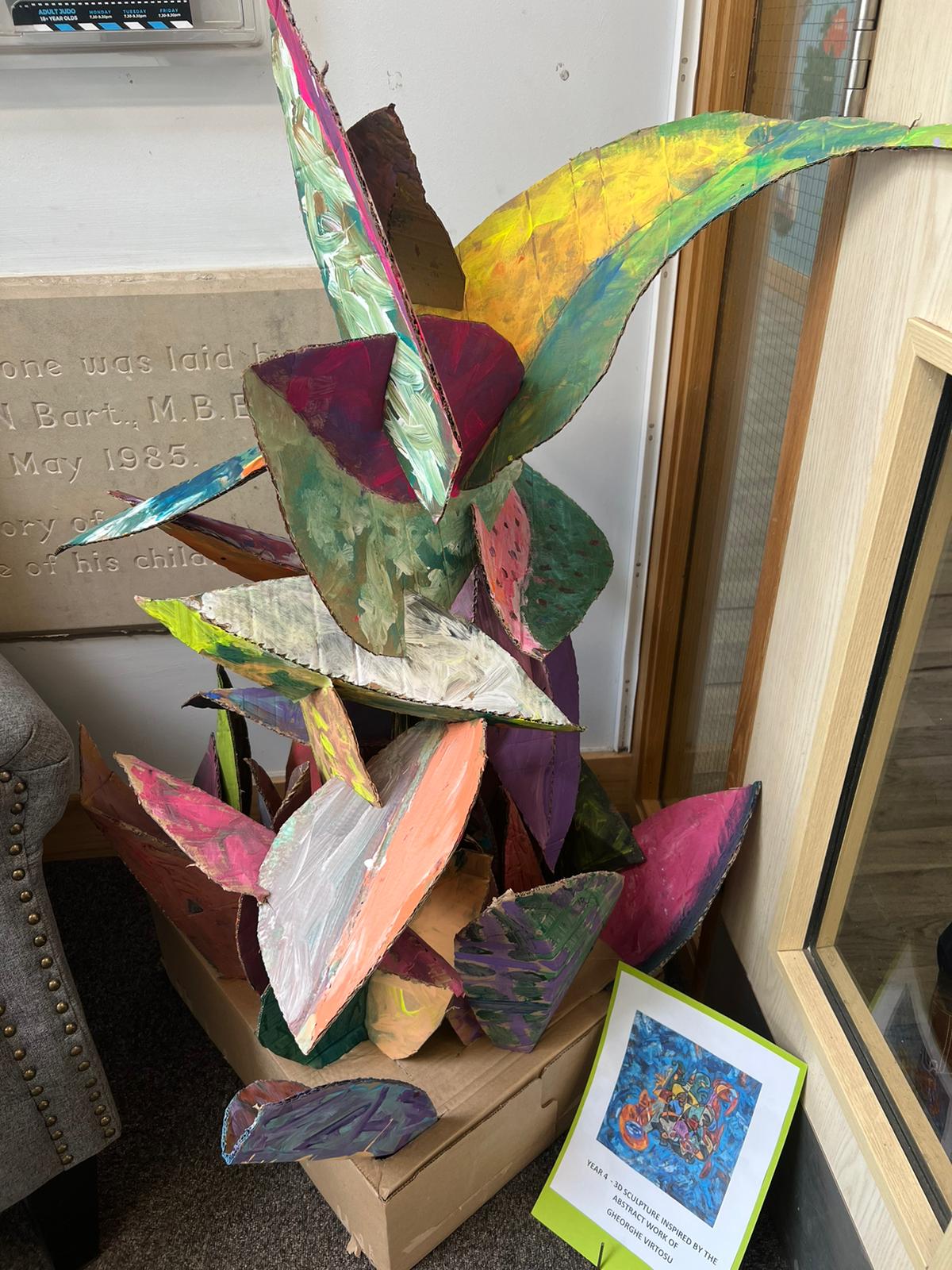
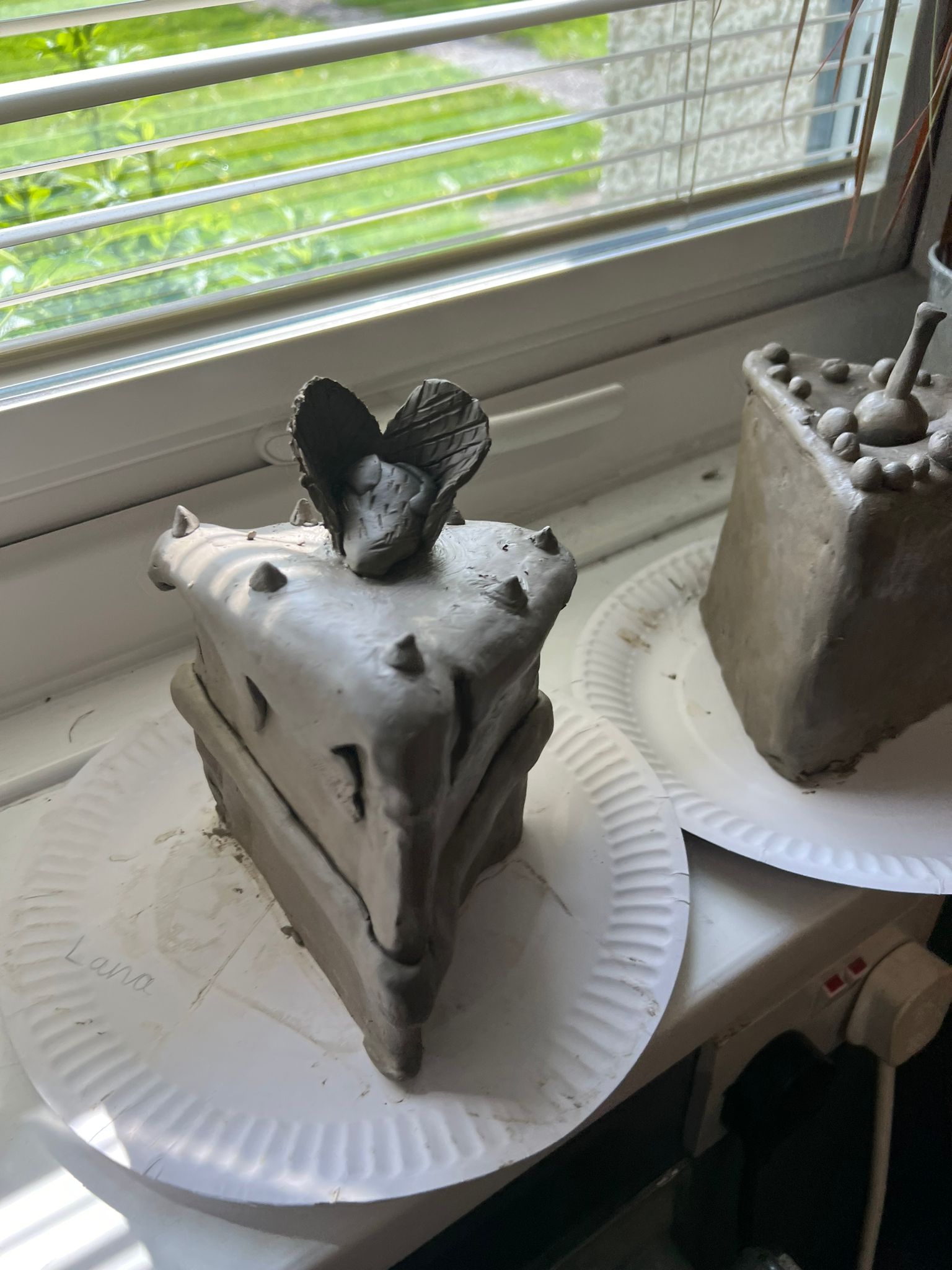
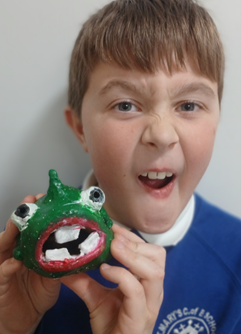
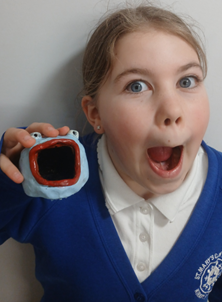
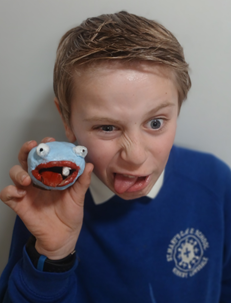
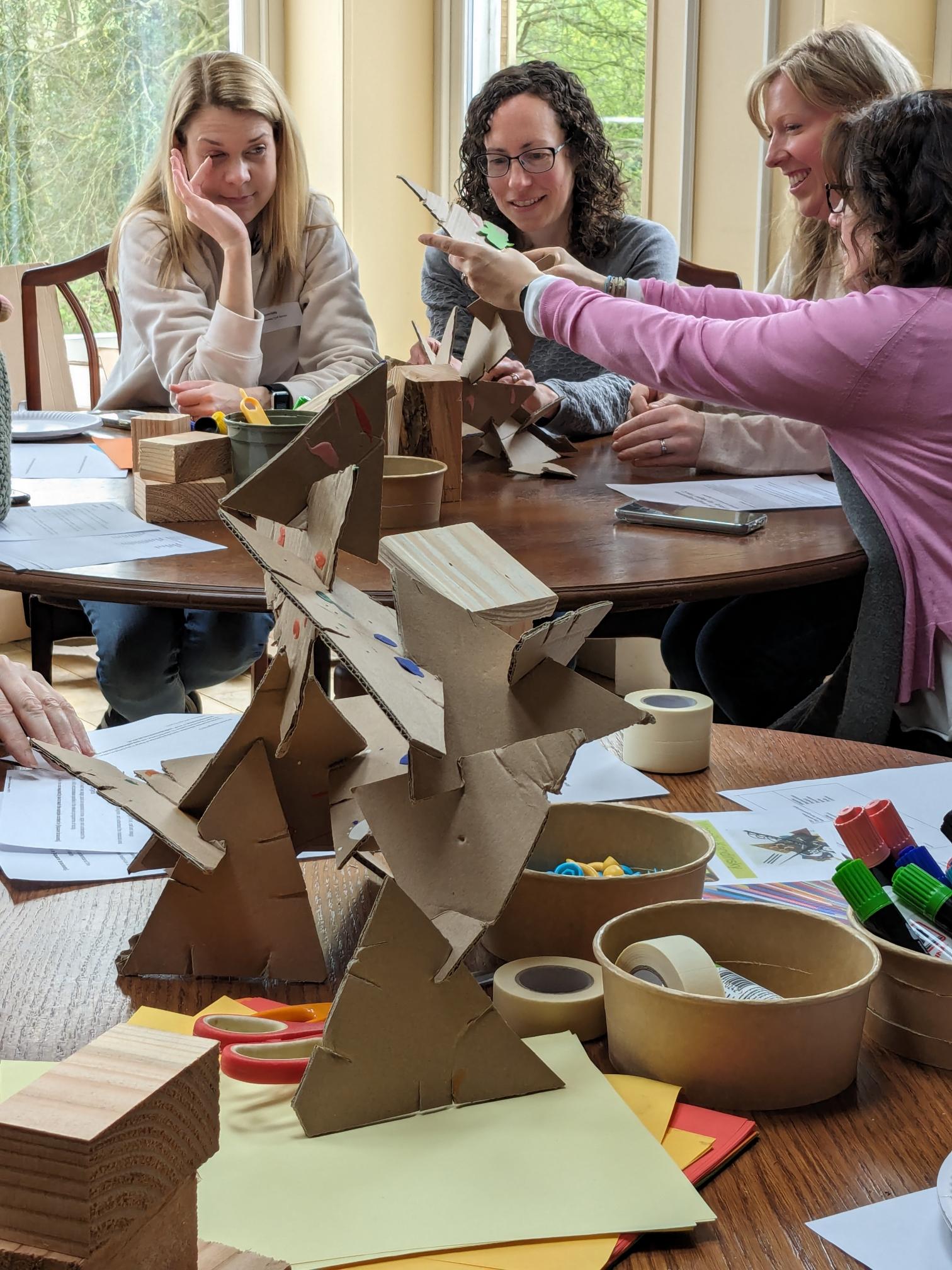
At our school, we believe that art should be felt as much as it is seen. From the very beginning in EYFS through to Year 6, our pupils embark on a tactile journey that transforms flat ideas into tangible realities. Whether they are pinching and pulling clay to discover form, engineering complex structures from recycled card, or experimenting with mixed media to add texture and depth, our children learn to think spatially and solve problems through physical construction. 3D modelling allows our students to occupy the space around them, turning the classroom into a gallery of mini-monuments and imaginative figures. As the iconic artist Henry Moore once noted:
“Sculpture is an art of the open air. I would rather have a piece of my sculpture put in a landscape, almost any landscape, than in or on the most beautiful building I know.”
Through this practice, our students don’t just make objects; they learn how to manipulate the world around them to express their unique inner visions.
Textiles
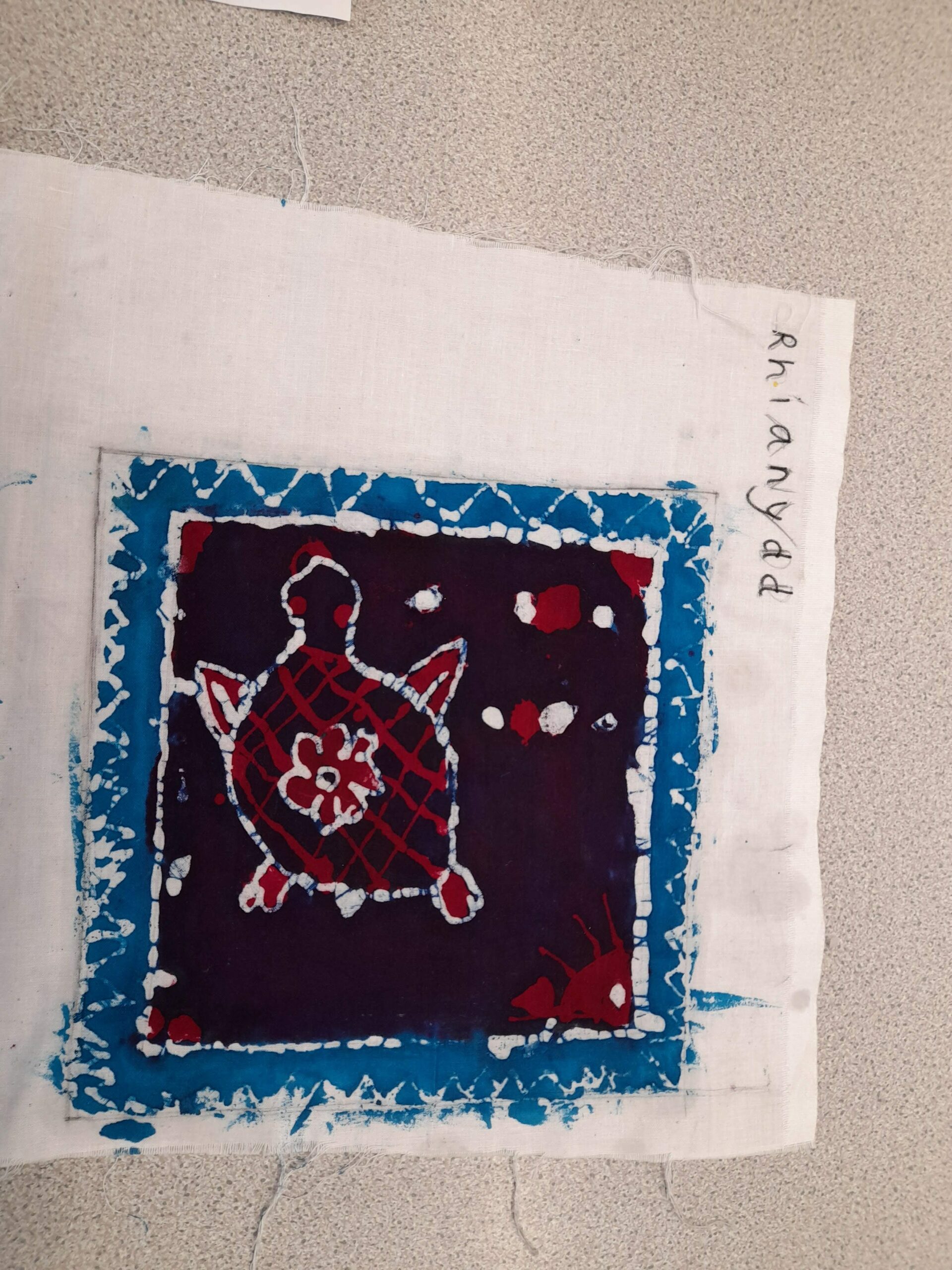
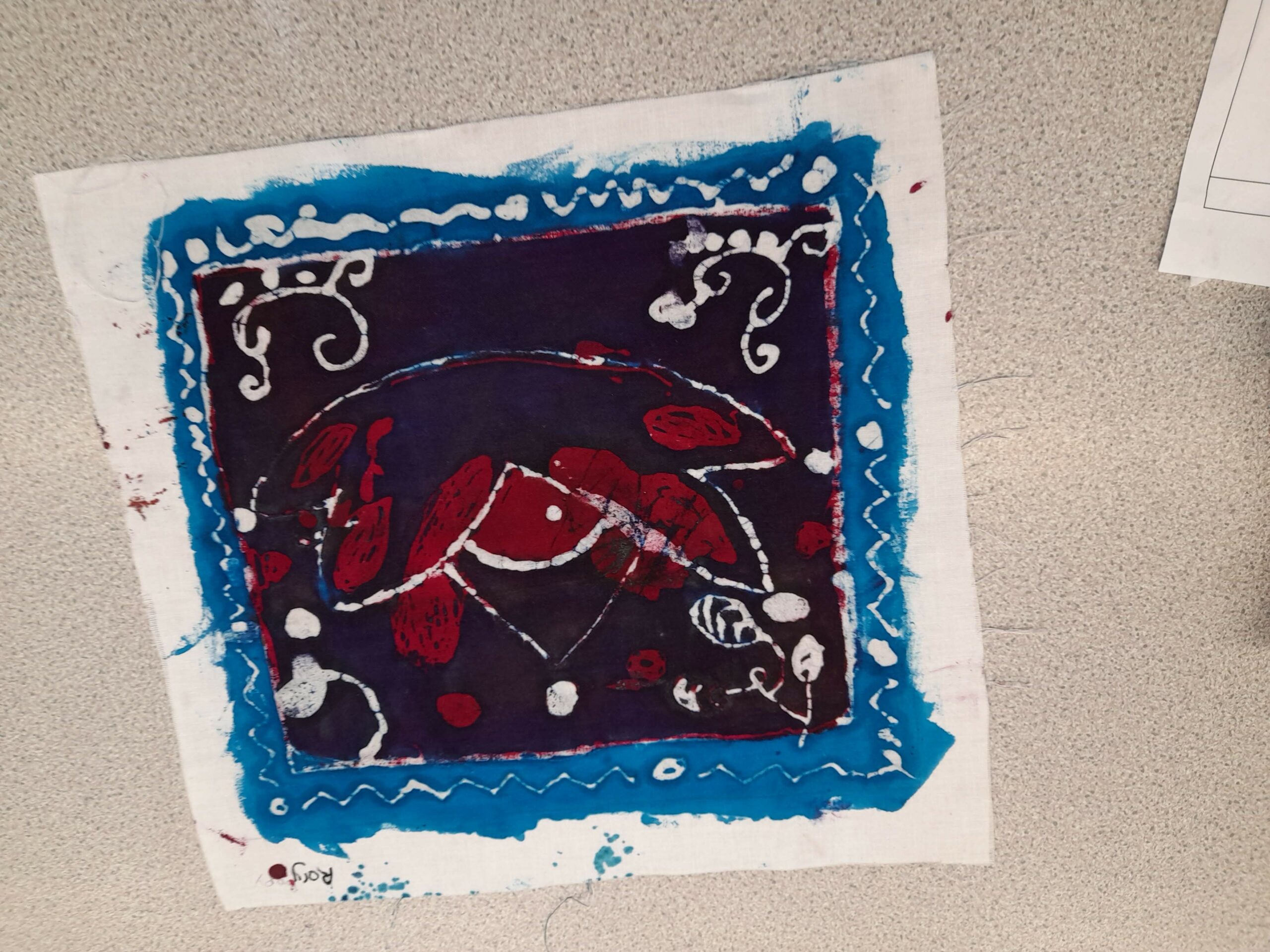
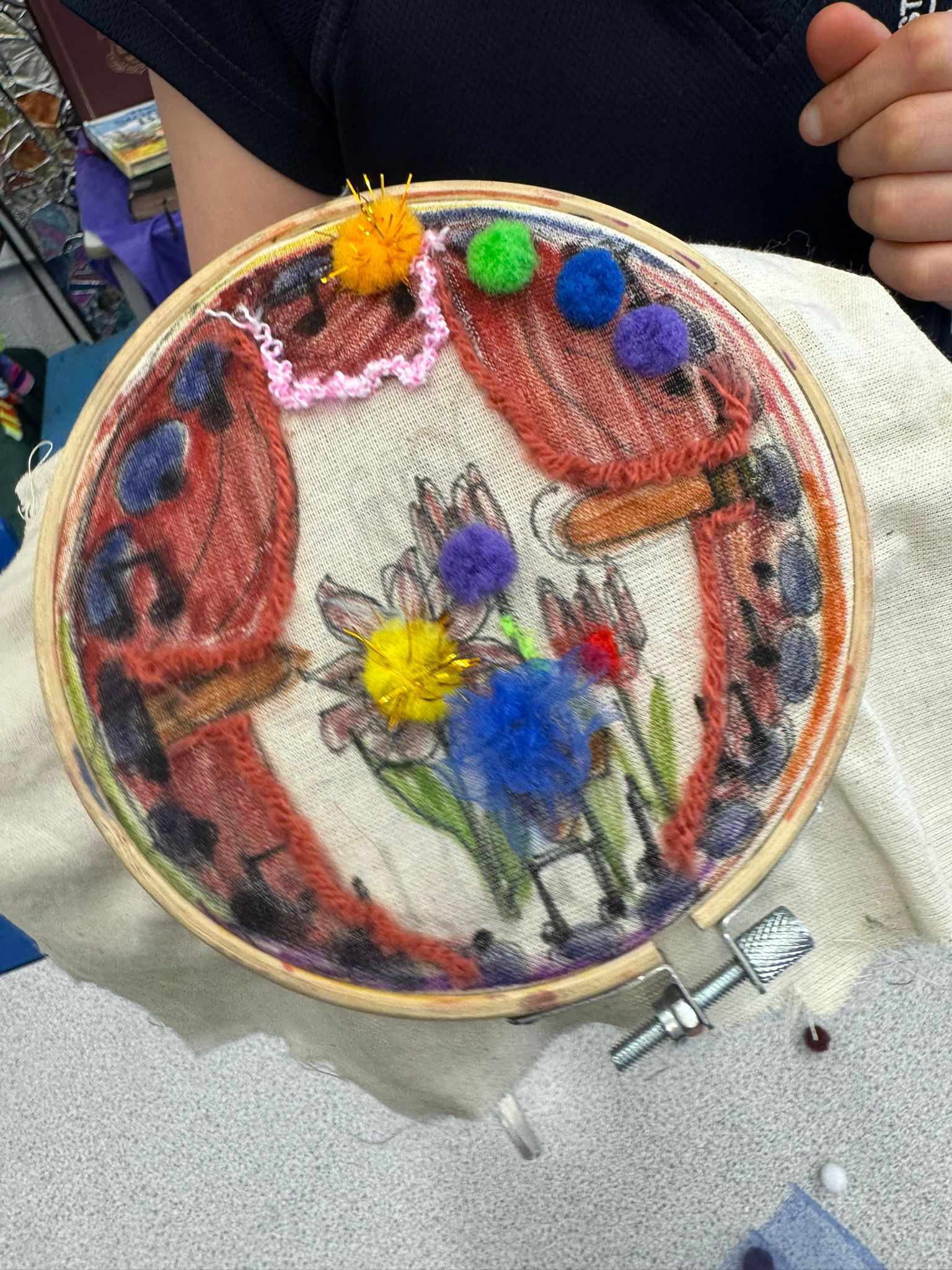
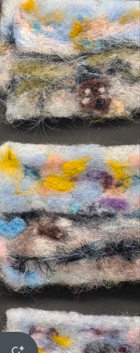
Our textiles curriculum is a tactile journey that weaves together ancient traditions and modern creativity. Starting in EYFS with simple weaving and thread-pulling, our students progress toward becoming confident designers by Year 6. We dive deep into the world of felting, where children use agitation and moisture to transform raw wool into solid forms, and embellishment, where they learn to “paint with thread” through embroidery, applique, and beadwork. By experimenting with dyeing techniques, batik, and fabric construction, our pupils learn that art isn’t just something you look at—it’s something you can touch, wear, and inhabit. As the renowned textile artist Anni Albers once observed:
“The craft of weaving is a strategy of design… it is a starting point for a new way of thinking.”
Drawing
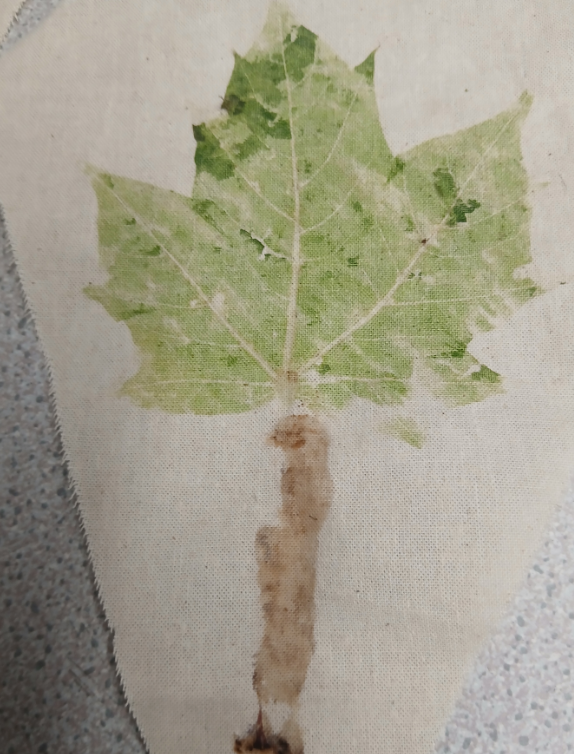
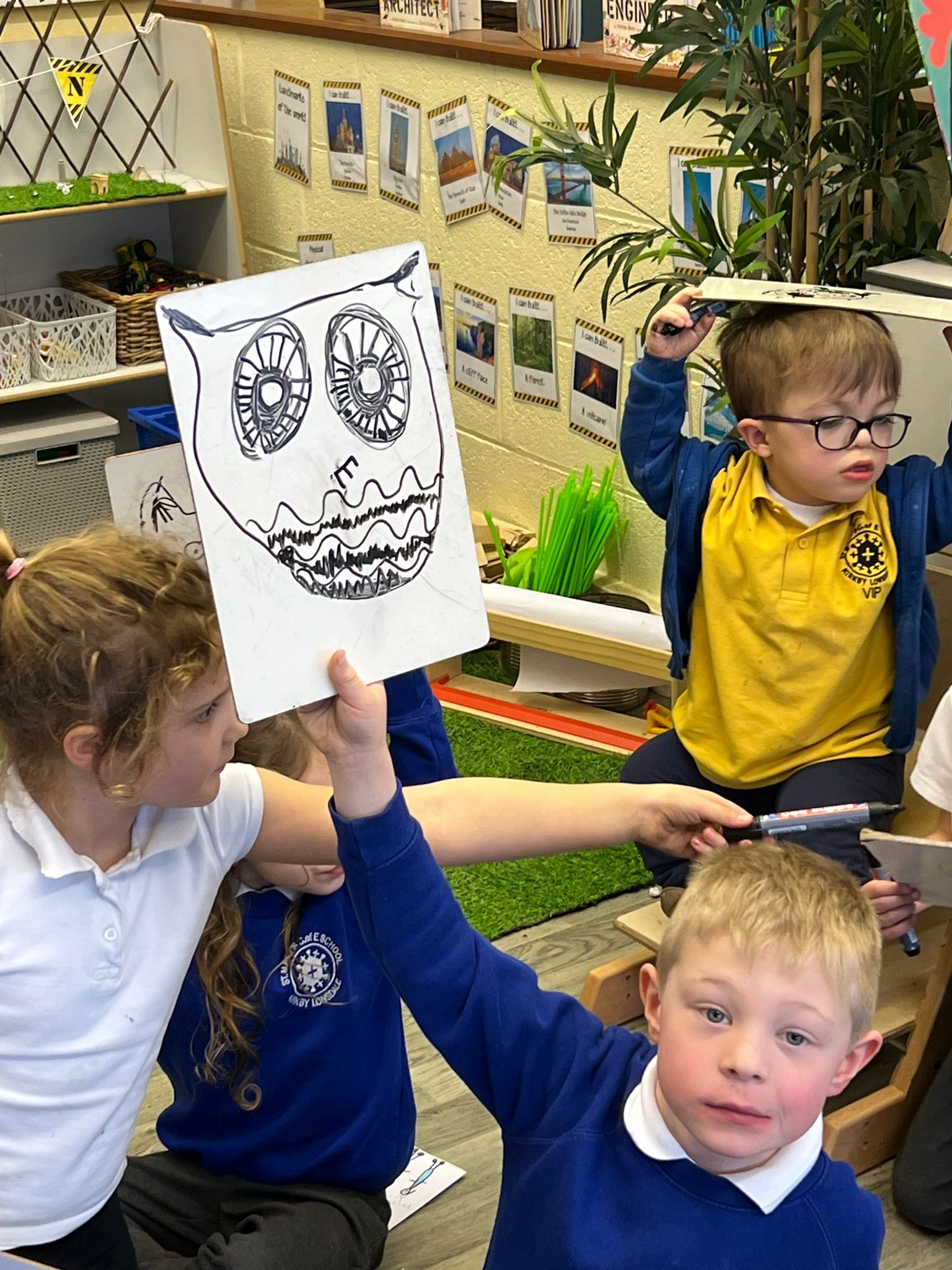
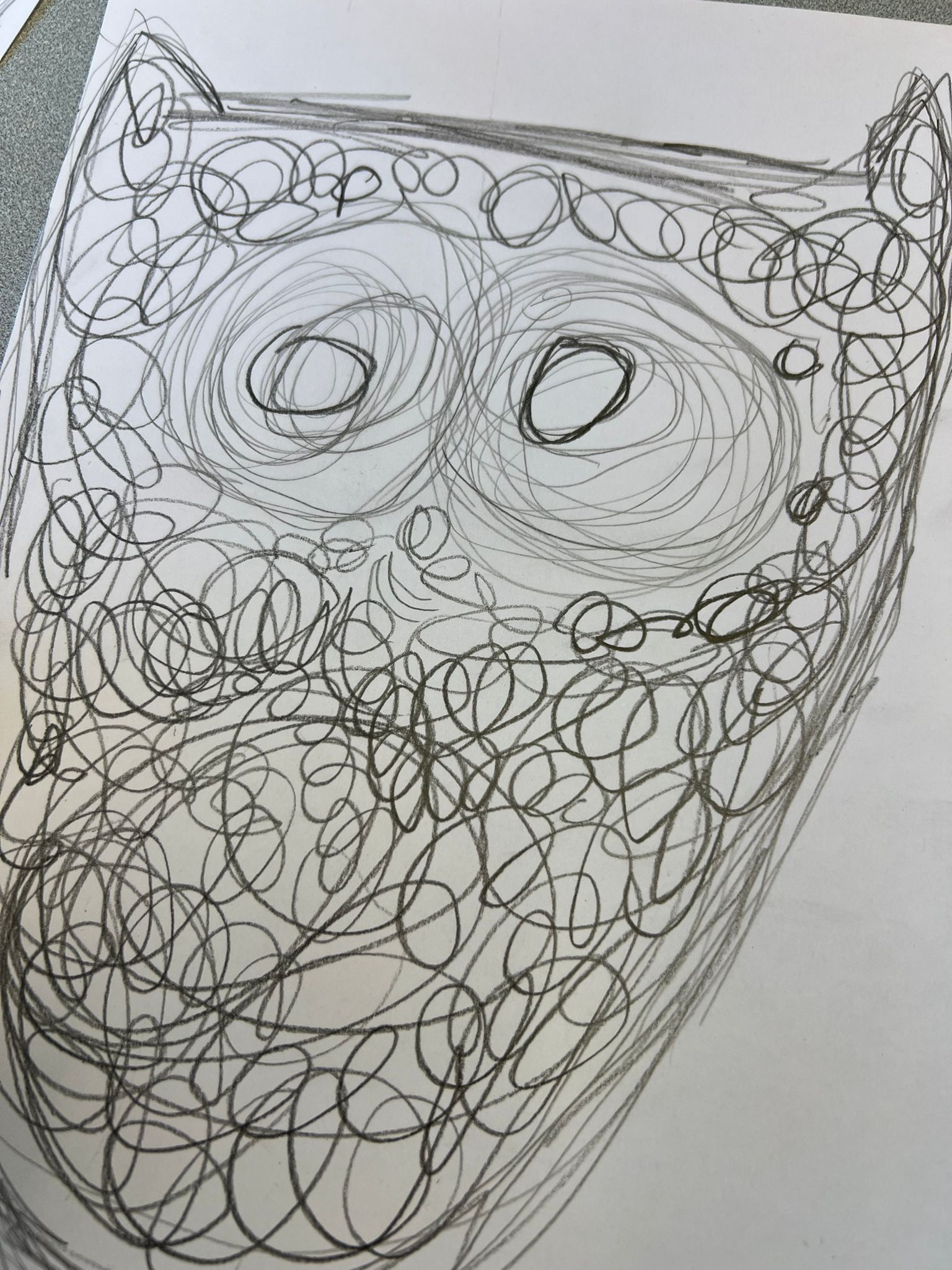
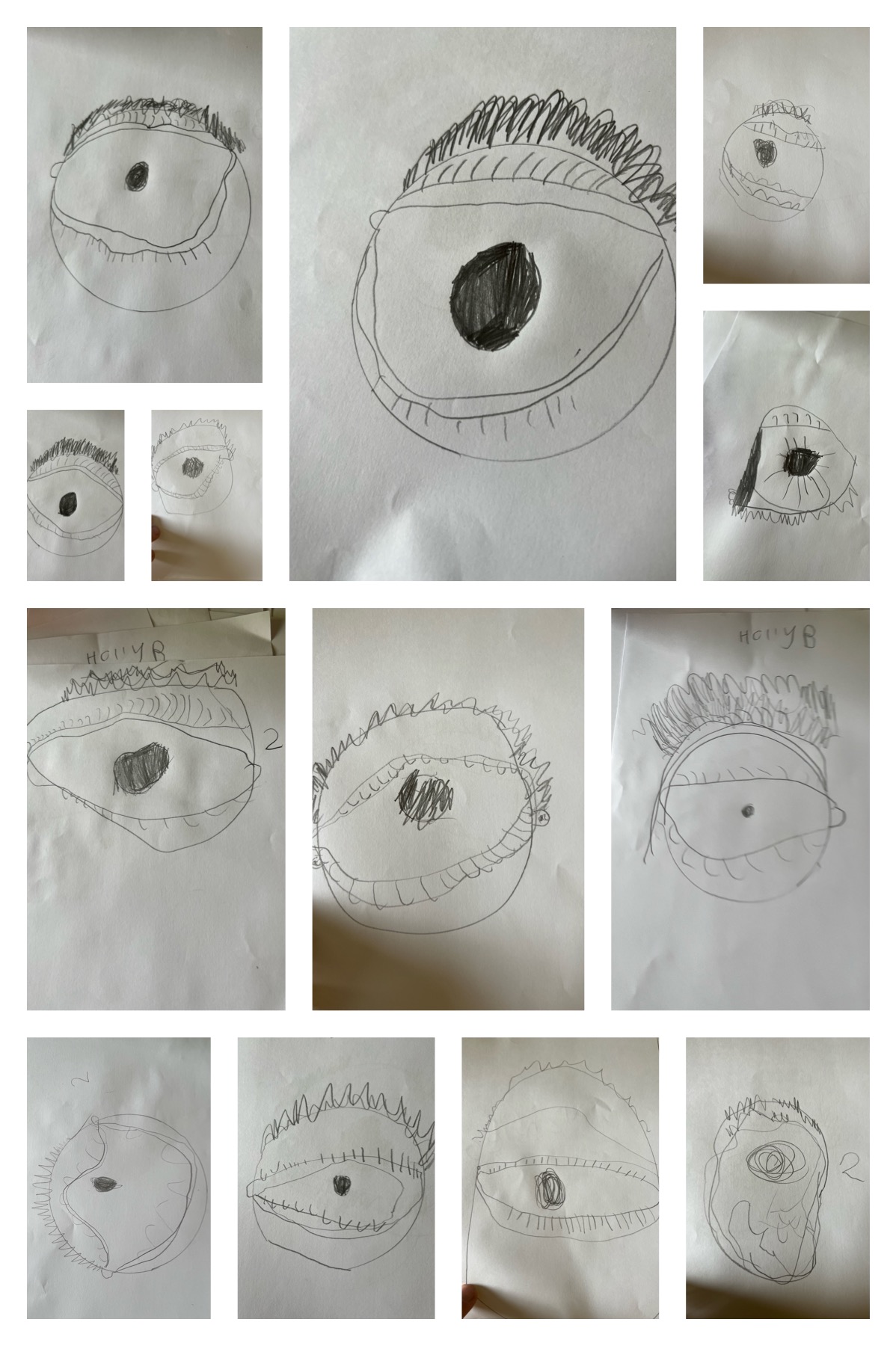
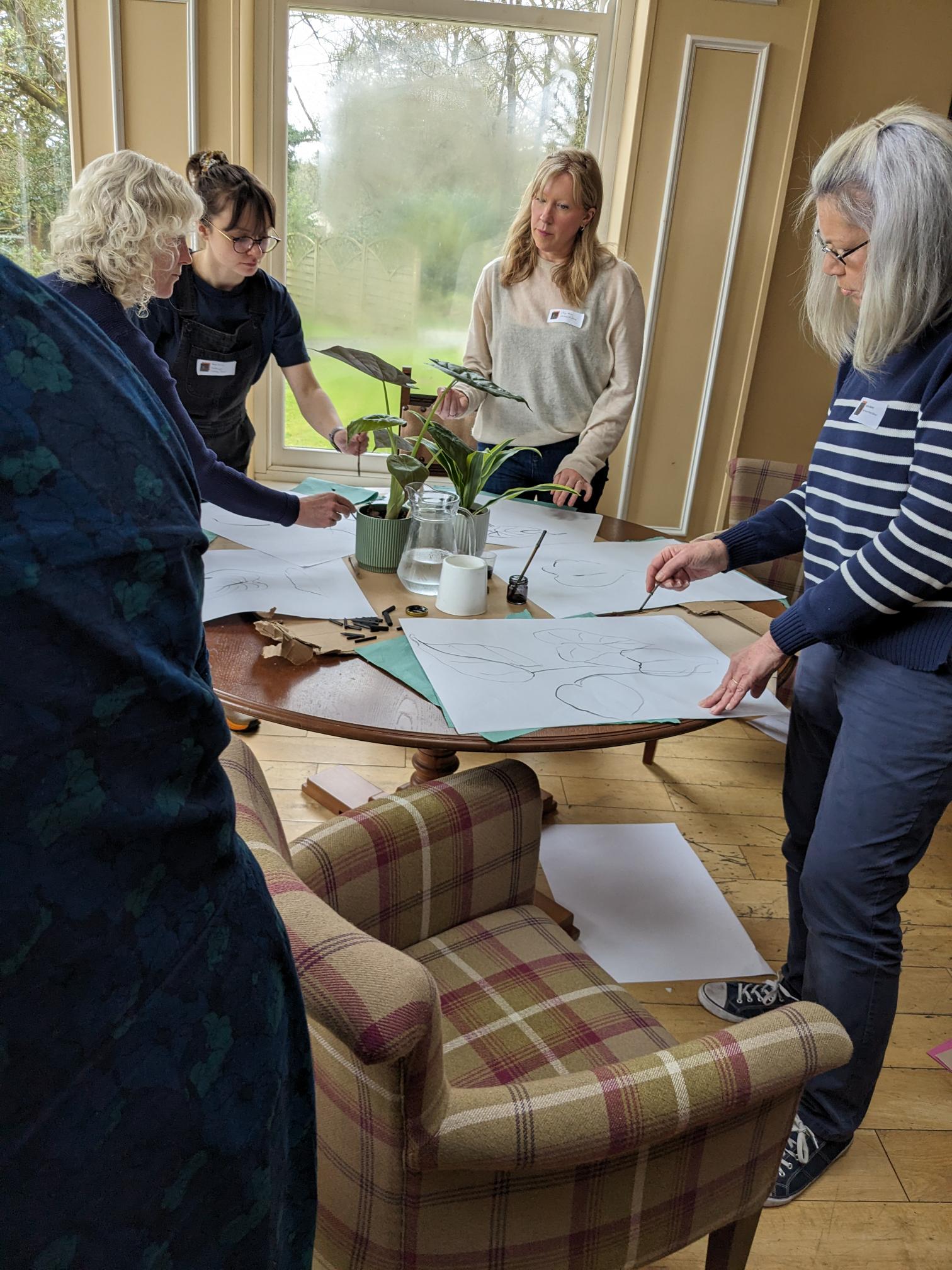
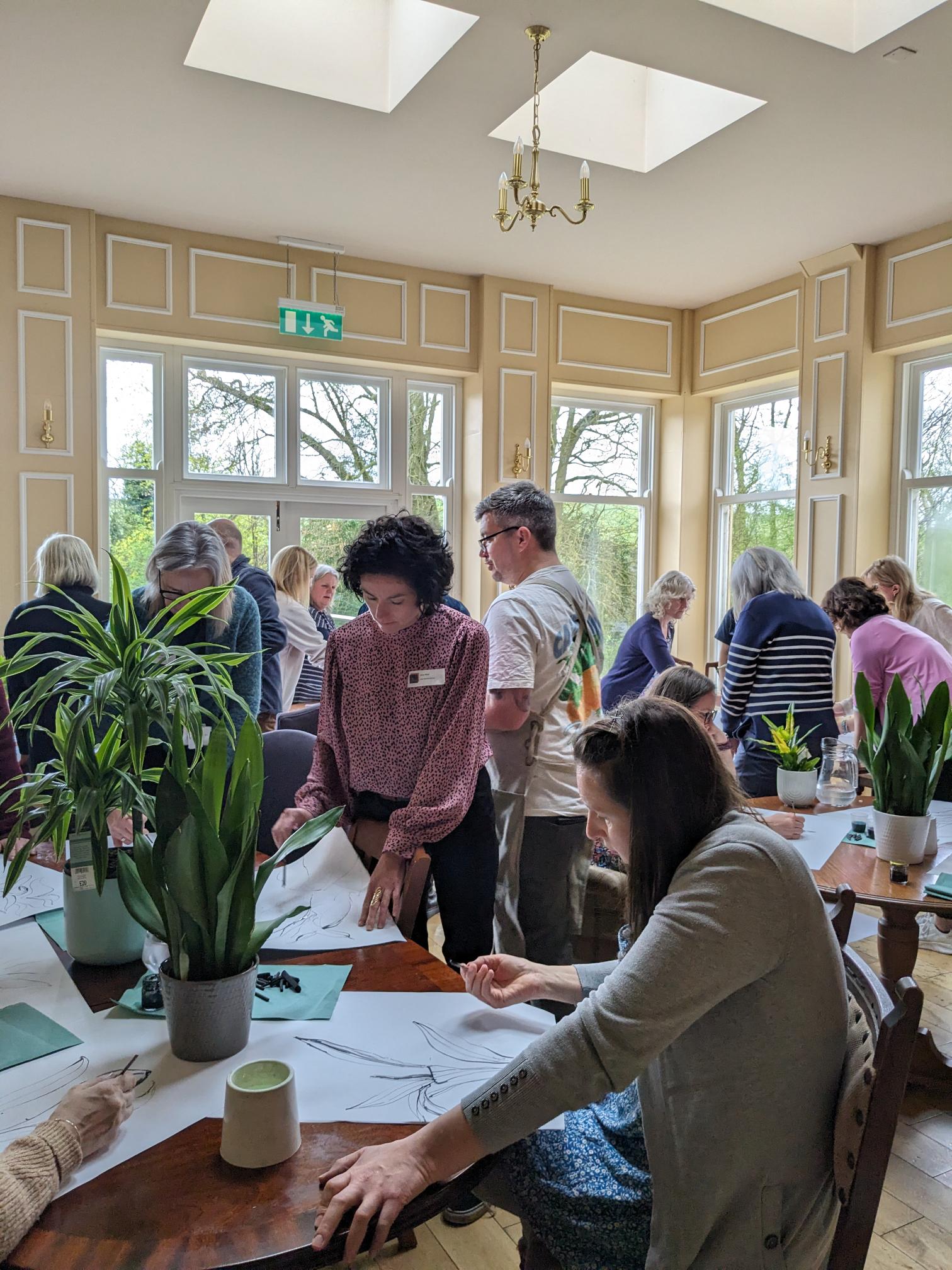
Drawing is the primary language of our art curriculum, serving as the foundation for everything we create. From the first energetic scribbles in EYFS to the sophisticated chiaroscuro (light and shadow) studies in Year 6, our students use drawing to observe, record, and imagine. We explore a vast toolkit of media, including graphite pencils, charcoal, oil pastels, and ink, encouraging children to find the medium that best fits their message. Whether they are capturing the intricate veins of a leaf in an observational study or mapping out a fantastical character from their own minds, drawing teaches our pupils the vital skill of really seeing. As the great draughtsman Leonardo da Vinci once remarked:
“Drawing is the honesty of the art. There is no possibility of cheating. It is either good or bad.”
Collage
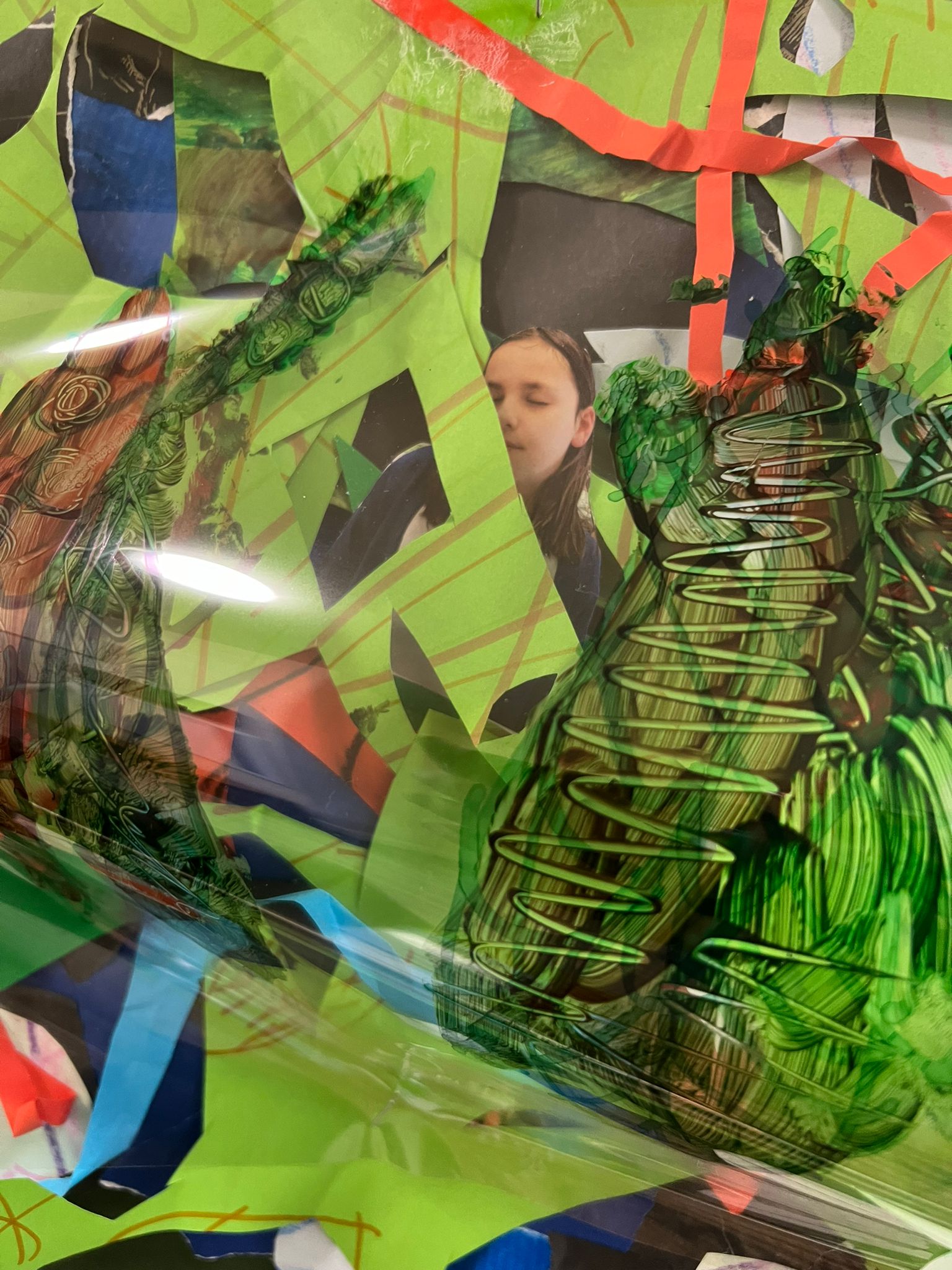
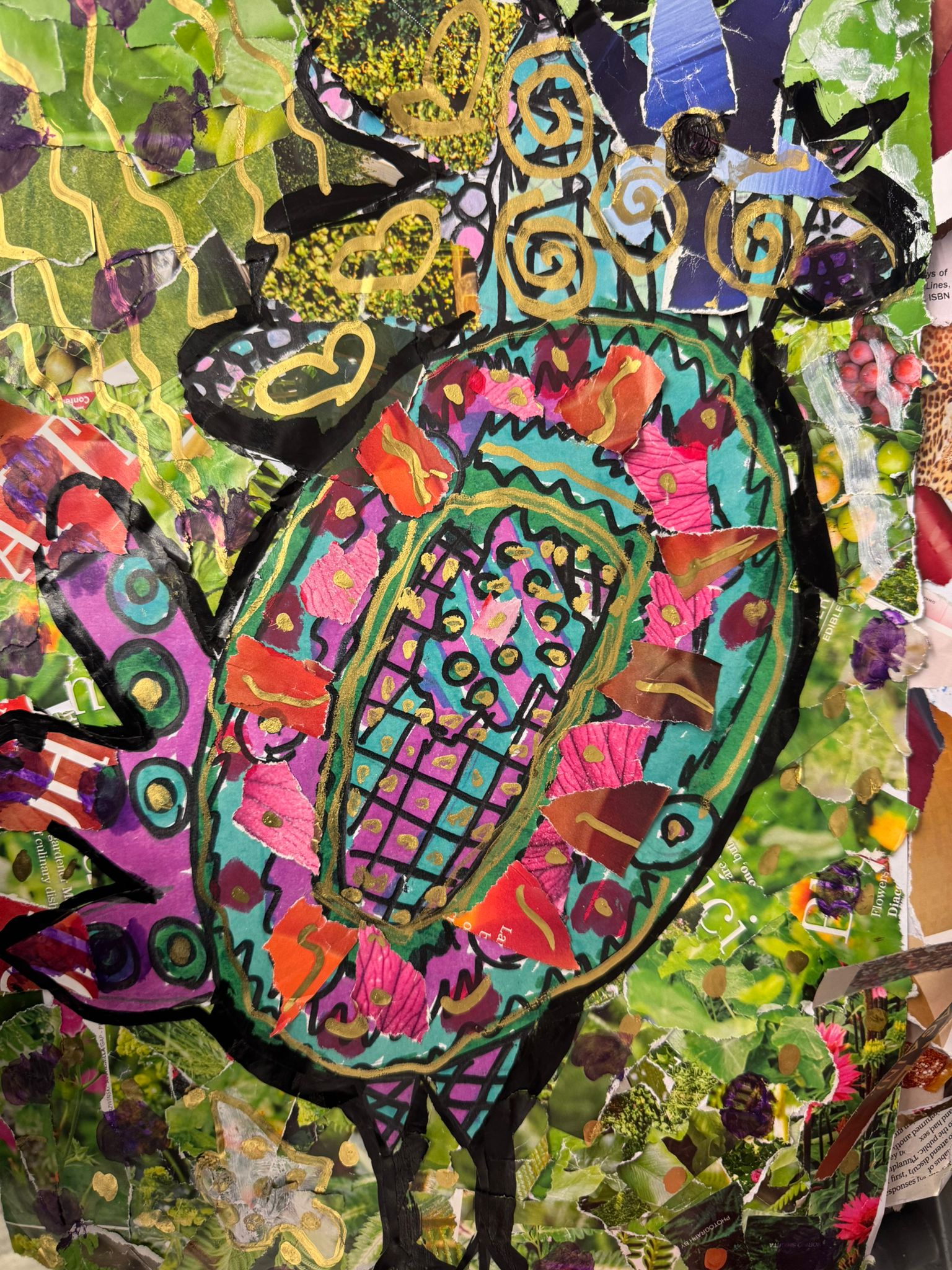
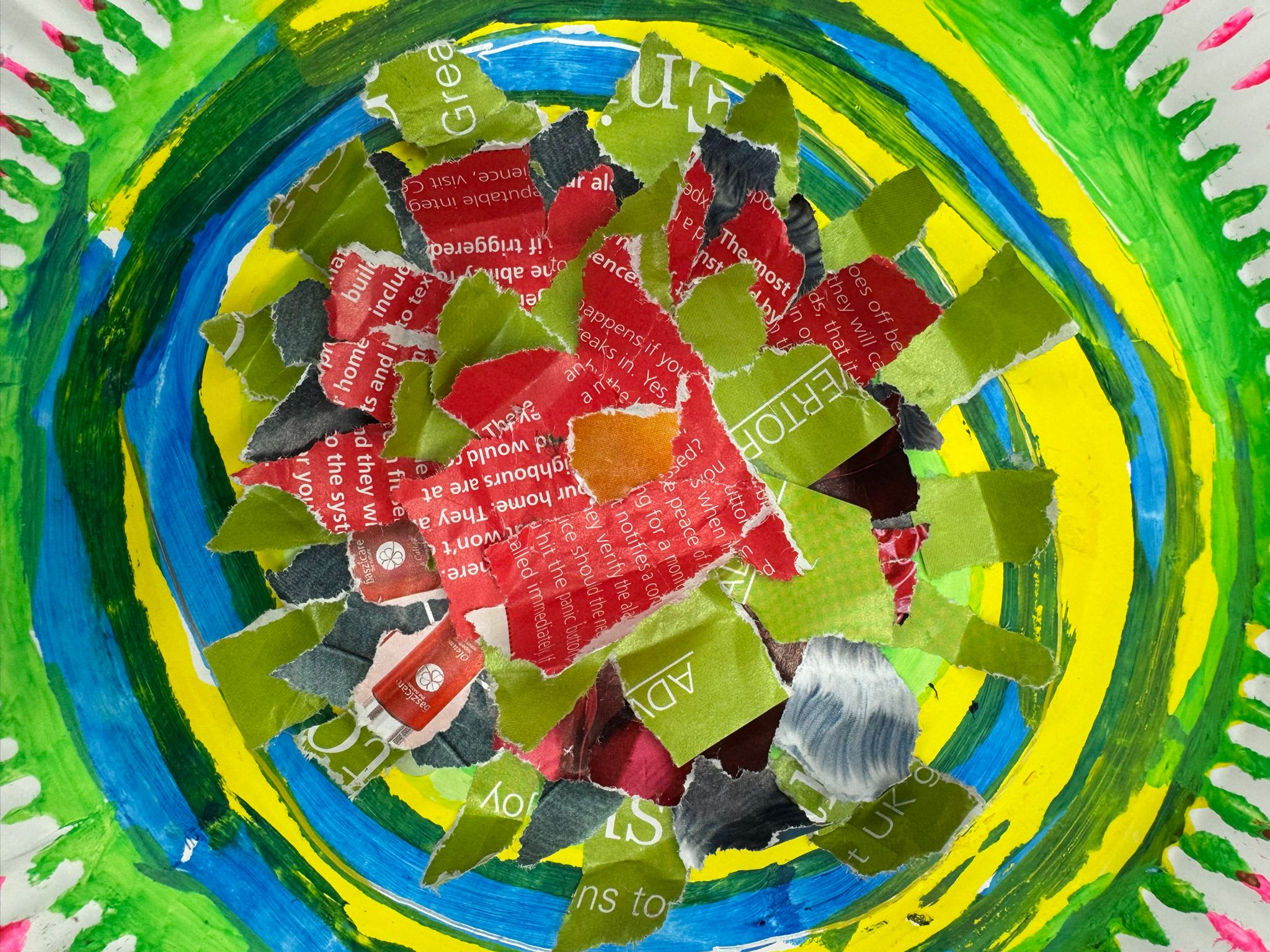
Collage is the art of assembly, where our students learn to see the creative potential in everyday materials. From the tactile “rip and stick” explorations in EYFS to the sophisticated mixed-media montages of Year 6, collage teaches our pupils the essential principles of composition, scale, and contrast. By layering found papers, recycled textiles, and natural materials, children learn how to build a narrative through fragments. This “cut-and-paste” approach is particularly empowering because it encourages bold experimentation; students can physically shift their ideas across the page until the balance is just right.
Staff Development
We are committed to staff development including participating in regular local network training, Professional Teachers Institute and National Subject Lead Networks via Mary Myatt.
This is one especially for parents and those interested in education. One of our core school values is to nurture creative thinkers. I try to watch this TED talk at regular intervals to inspire and remind me of the power of creativity in education. The great Sir Ken Robinson, reminds us of how creativity allows our children to flourish as they progress through our education system.
This is an enormous resource, exploring art and artists. It allows you to play games, explore art in a massive variety of forms and also allows you to upload your own work.
I recently visited Salts Mill in Bradford to view the diverse work of David Hockney. It was stunning…but so was the shopping, the cafes and the best book shop ever!
I recently visited Stoke-on-Trent for a tour around the potteries. A visit to The Wedgewood Museum was a highlight, especially the tea room!
Next on my list is an exhibition of the work of Albrecht Durer, in Manchester. I’m looking forward to seeing his woodcuts and etchings, produced over 500 years ago.

 015242 71334
 admin@stmarys-kl.cumbria.sch.uk